 StudyDesk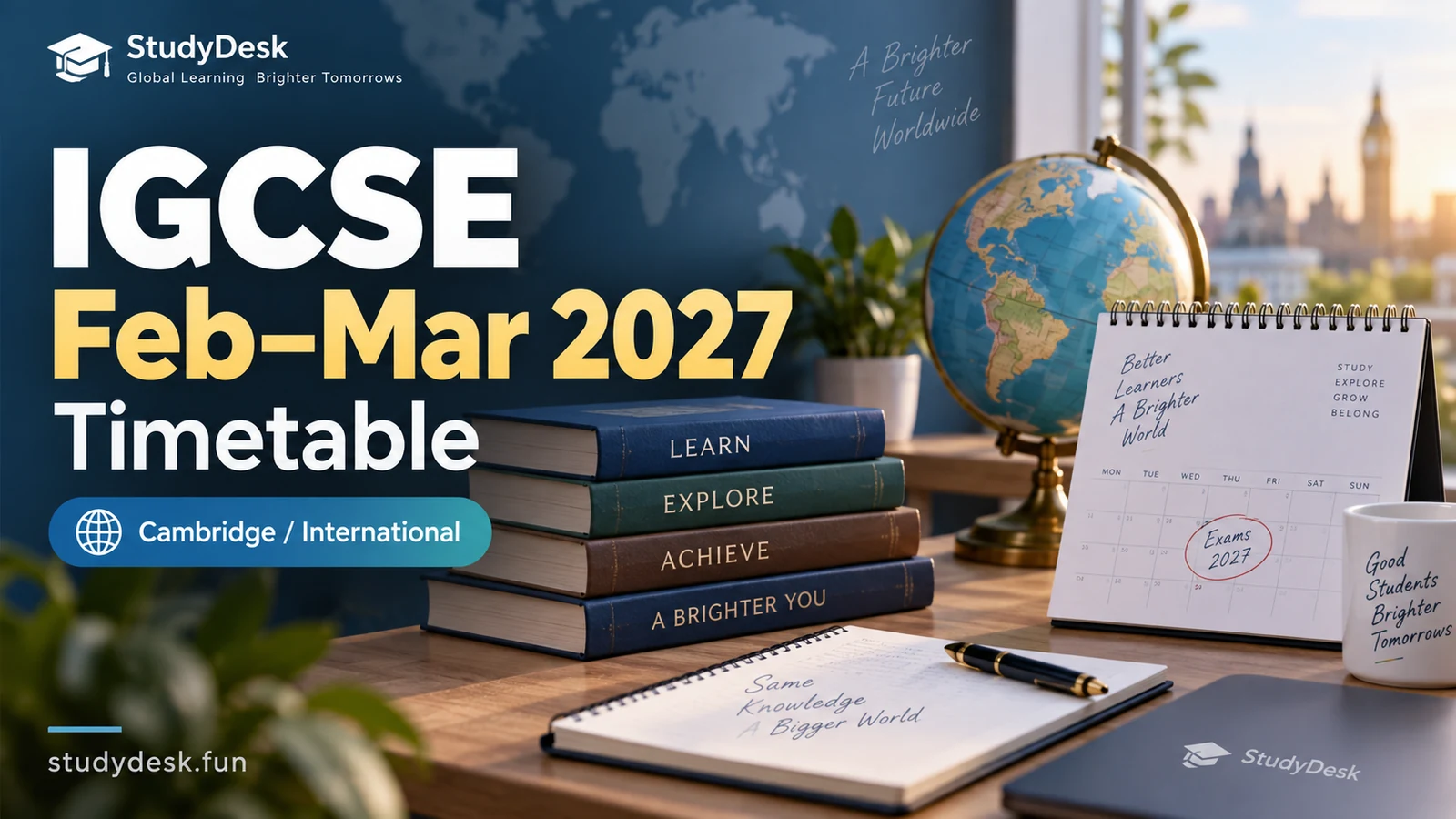
IGCSE 2027 latest official status
| Board / series | Current status | Student action |
|---|---|---|
| Pearson Edexcel International GCSE — Summer 2027 | Final timetable published | Check exact subject code and regional/R-paper version where applicable |
| Cambridge IGCSE — March 2027 | 2027 series timetable workflow is official; verify current final timetable with centre/Cambridge | India centres commonly use the March series; confirm exact paper code and time |
| Cambridge IGCSE — June/November 2027 | Use the official zone timetable when published/updated | Do not reuse 2026 dates as 2027 dates |
| Results / certificates | Board- and series-specific | Use the awarding body’s results calendar and your centre |
IGCSE 2027 timetable planning: official dates vs expected windows
| Qualification / series | Planning view | Confidence |
|---|---|---|
| Pearson Edexcel International GCSE Summer 2027 | Official final timetable already available; first listed papers begin 10 May 2027 | Official |
| Cambridge March 2027 | March exam series in March 2027; exact subject times depend on official timetable/centre | Series timing official; subject schedule must be verified |
| Cambridge June 2027 | May–June 2027 expected exam period based on the normal June series name/recent pattern | Expected until final zone timetable is verified |
| Cambridge November 2027 | October–November 2027 expected exam period based on the normal November series | Expected until final zone timetable is verified |
Never mix Cambridge dates with Pearson dates. Always match awarding body, syllabus code, series and administrative zone/region.
What is IGCSE?
IGCSE is an international secondary-level qualification route commonly studied around ages 14 to 16. Cambridge International Education offers Cambridge IGCSE, while Pearson offers Pearson Edexcel International GCSE. Both are designed for international learners and are used by schools in many countries.
Cambridge describes IGCSE as preparation for advanced study and offers more than 70 subjects, including many languages. Pearson describes International GCSE as aimed at learners aged 14 to 16, available in 37 subjects, with progression to A Levels, International A Levels and further study.
Subjects, specifications and 2027 syllabuses
Always use the syllabus or specification for the examination year shown on the awarding organisation's official subject page. A subject can change content, assessment objectives or component structure between syllabus cycles, so an older PDF should not be assumed to apply in 2027.
- Cambridge publishes a syllabus for each subject and examination-year range; for example, some subjects have dedicated 2027 or 2027–2029 syllabuses.
- Pearson publishes a specification for each International GCSE subject and identifies whether linear and/or modular routes are available.
- Confirm the exact subject or syllabus code shown on your statement of entry or school registration, not only the subject name.
Assessment, coursework and practical components
Assessment depends on the subject and awarding organisation. Cambridge states that end-of-course assessment can include written papers, oral tests, coursework and practical assessment. In sciences, practical skills may be assessed through a practical test or an alternative-to-practical route depending on the syllabus.
Pearson offers linear assessment for International GCSEs and has also introduced modular assessment in a number of subjects. The exact route and paper structure must be checked in the current subject specification.
How IGCSE grading works
| Qualification | Typical grading information |
|---|---|
| Cambridge IGCSE | Cambridge IGCSEs are generally graded A*–G worldwide. Cambridge also offers 9–1 grading for selected syllabuses/regions; students must check the exact syllabus entry. |
| Pearson Edexcel International GCSE | Pearson uses the 9–1 grading scale for International GCSEs, with 9 as the highest grade. |
Do not convert grades using an unofficial table for admissions. Universities, schools and credential evaluators may apply their own requirements, so applicants should use the institution's published admissions policy.
Exam series and timetable selection
- Cambridge offers different exam series and allocates centres to administrative zones; the correct zone timetable is essential.
- The Cambridge March series is available to schools in India and Romania and covers selected syllabuses.
- Pearson publishes International GCSE timetables by series and may publish regional R-paper schedules for some subjects.
- A timetable date is useful only after you match the awarding organisation, series, subject code, component/paper and regional rules.
Private candidates and exam centres
Cambridge allows private candidates to enter through a Cambridge school or approved exam provider that accepts private entries. Cambridge advises candidates to confirm that the requested syllabus is available to private candidates and to arrange fees, entries, identification, access arrangements, results and certificates through the centre.
For Pearson Edexcel International GCSE, private candidates should identify a centre that accepts private entries and confirm subject availability, entry deadlines, fees and any coursework or practical requirements directly with that centre and Pearson's current guidance.
Results and certificates
Results release arrangements depend on the awarding organisation and exam series. Candidates normally receive results through their school or exam centre, and certificates follow later according to the awarding body's schedule.
Cambridge private-candidate guidance says the centre or approved provider handles results information and certificates. Pearson publishes results and certification guidance for each series. Keep your statement of entry and candidate details accurate because they are used for result and certificate administration.
Recognition and university progression
Cambridge and Pearson both publish recognition information for their international qualifications. Cambridge states that leading universities and employers worldwide accept Cambridge IGCSE as evidence of academic ability. Pearson states that International GCSEs are globally recognised and support progression to A Levels, International A Levels and university pathways.
Cambridge IGCSE vs Pearson Edexcel International GCSE
| Area | Cambridge IGCSE | Pearson Edexcel International GCSE |
|---|---|---|
| Awarding organisation | Cambridge International Education | Pearson Edexcel |
| Typical learner stage | Usually 14–16 | Usually 14–16 |
| Subjects | 70+ subjects | 37 subjects listed by Pearson |
| Grading | Mainly A*–G; some 9–1 options | 9–1 |
| Assessment | Written, oral, coursework and practical components depending on subject | Linear and, for a number of subjects, modular routes depending on specification |
| Timetable rules | Series + administrative zone matter | Series + paper/specification code and possible regional R papers matter |
IGCSE vs GCSE
GCSE is the standard school qualification used mainly in England, Wales and Northern Ireland with awarding organisations regulated for the UK system. International GCSE qualifications are designed for international delivery. Pearson states that its International GCSEs are comparable to UK GCSEs and grade-for-grade equivalent; Cambridge aligns IGCSE standards to equivalent GCSE standards while using its own international syllabus and administration.
The practical difference for a student is not which name sounds stronger, but which qualification their school offers, whether the subject combination suits their next-step plans, and whether the intended university or education system accepts the exact qualification and grade.
How IGCSE compares with Indian boards
CBSE, CISCE and state boards such as BSEB are Indian school-board systems with their own curricula, examination rules and Class 10/Class 12 structures. IGCSE is an international qualification framework offered through approved schools or centres. Subject choices, grading scales, assessment components and school calendars therefore differ.
Students planning a move between an international curriculum and an Indian board should confirm school admission rules, subject equivalence and later Class 12 or university eligibility before switching. StudyDesk does not treat one curriculum as universally better than another.
IGCSE 2027 student checklist
- Identify the awarding organisationConfirm Cambridge IGCSE or Pearson Edexcel International GCSE.
- Confirm the exact subject codeUse the code on your school/centre registration or statement of entry.
- Open the 2027 syllabus/specificationDo not rely on a 2026 document if a 2027 version exists.
- Match the correct exam series and regionFor Cambridge, check administrative zone/series. For Pearson, check the relevant series and any R-paper rules.
- Check coursework/practical requirementsEspecially important for science, arts and private candidates.
- Recheck the official timetable before the examFinal timetables can be revised; use the latest version supplied by your centre or awarding organisation.
Sources & verification
Pearson Edexcel International GCSE Summer 2027 final timetable is published. Cambridge publishes separate timetables by exam series and administrative zone; the Cambridge March-series calendar confirms the 2027 March timetable workflow. Students must use the correct board, series and zone/region and should not mix Cambridge and Pearson dates.
Frequently asked questions
Is there one single IGCSE timetable for 2027?
No. Cambridge and Pearson Edexcel publish different materials, so students should first identify their board and session before using any timetable.
Why do students searching IGCSE dates get confused?
Because “IGCSE” is used broadly online, even though the exam dates depend on whether the candidate is under Cambridge or Edexcel and which exam session applies.
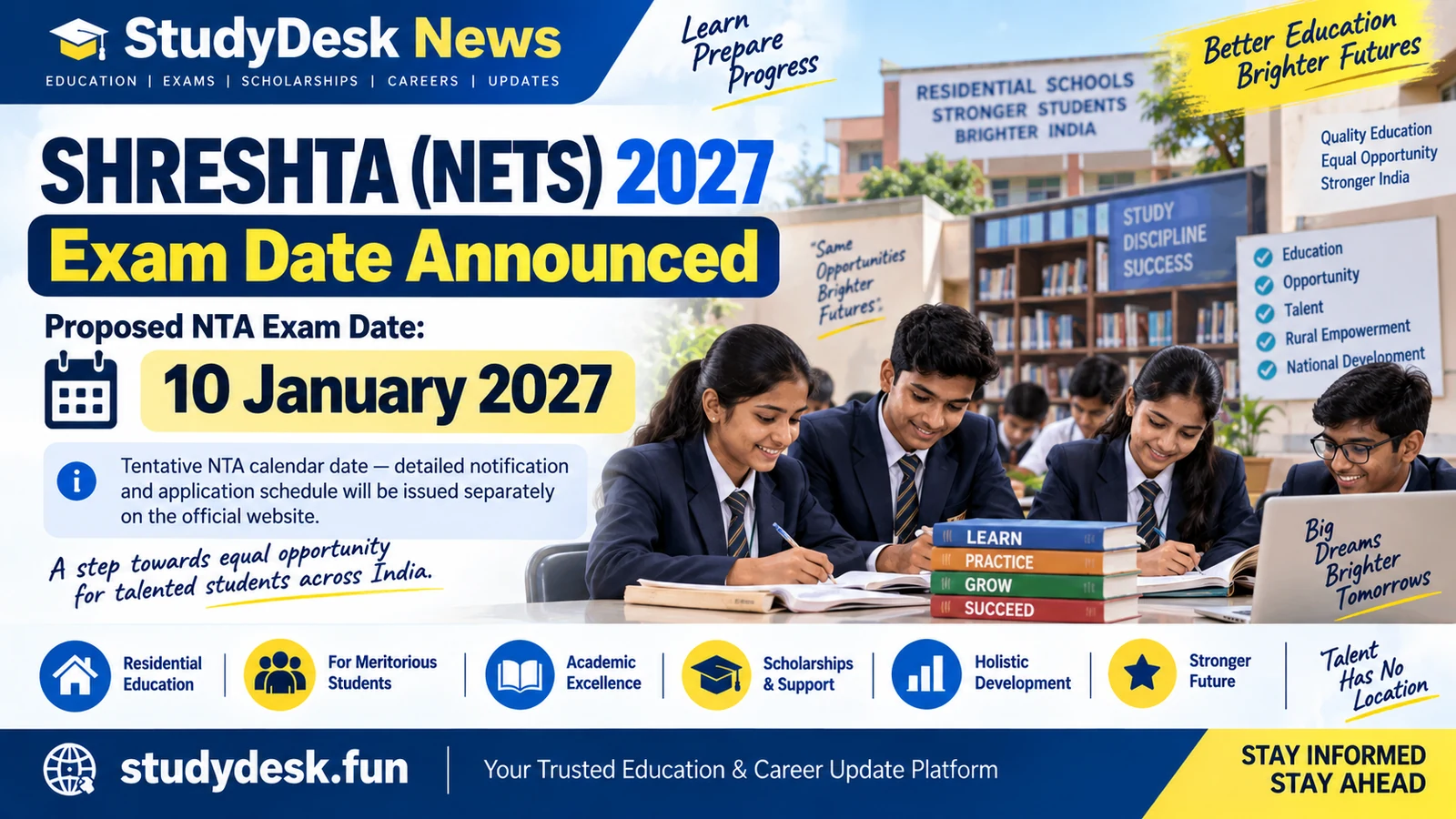
SHRESHTA (NETS) 2027 exam-date tracker based on the official NTA examination calendar.
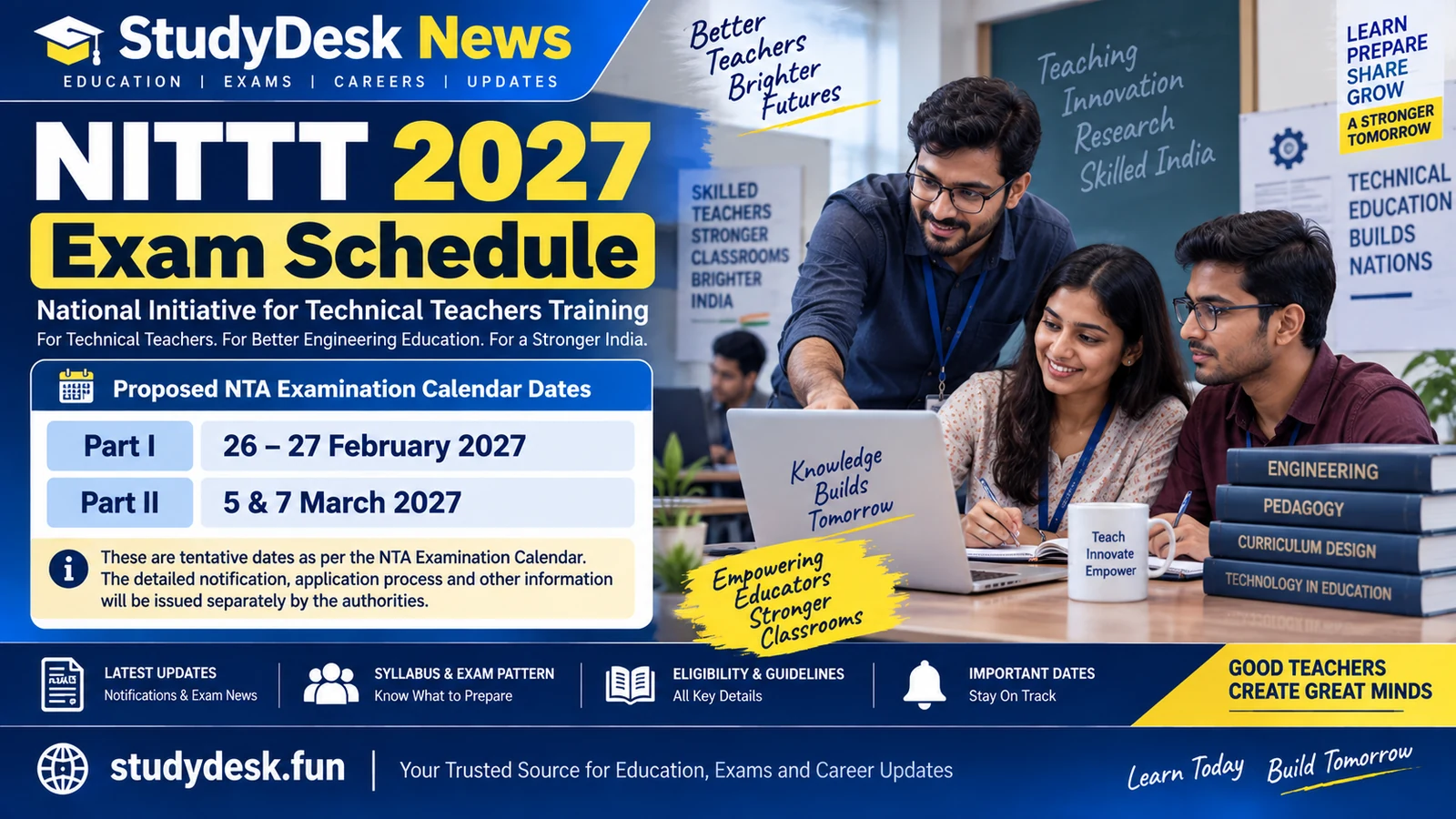
NITTT 2027 tentative schedule from the official NTA examination calendar.
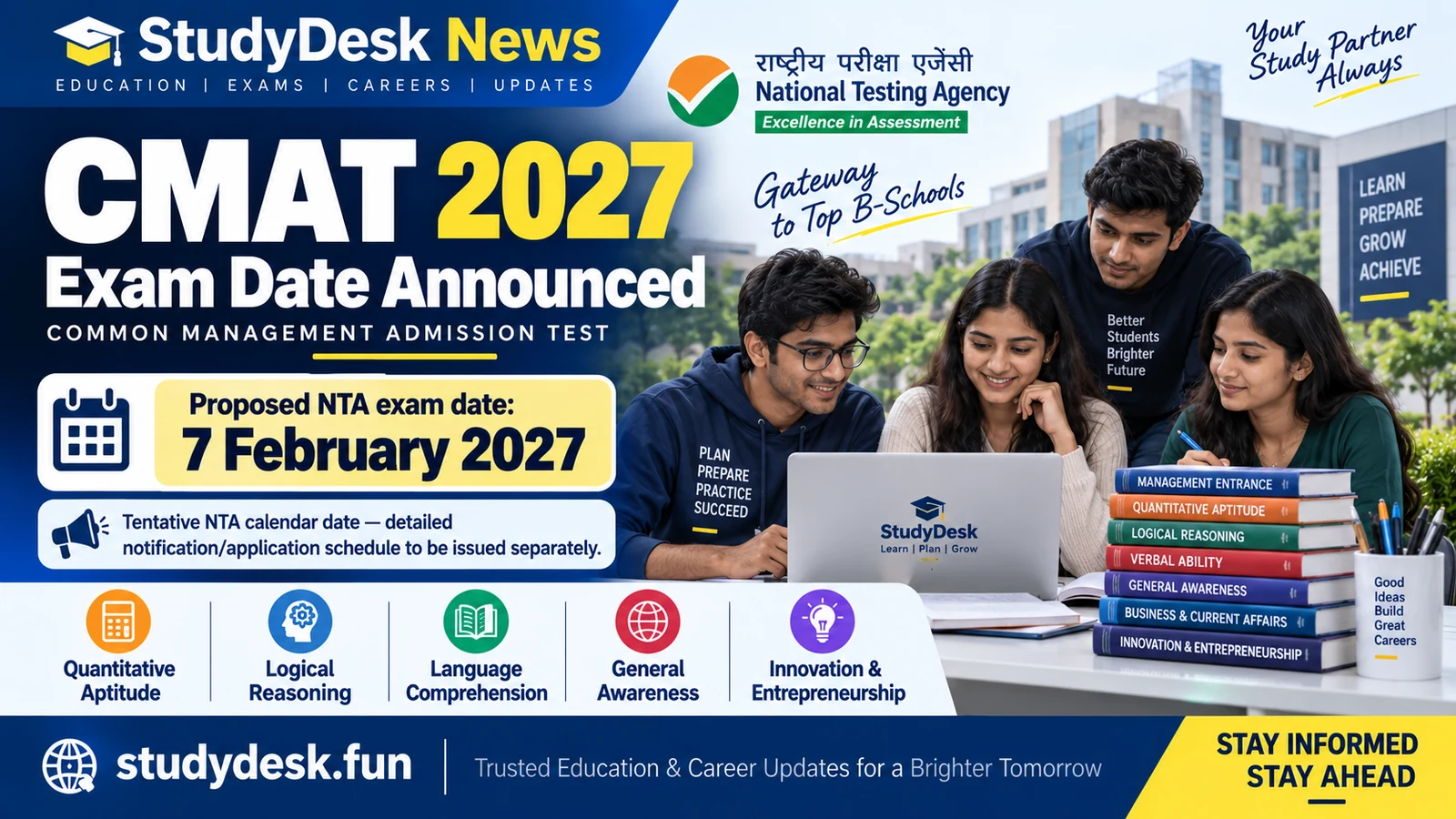
CMAT 2027 exam-date tracker based on the official NTA examination calendar.
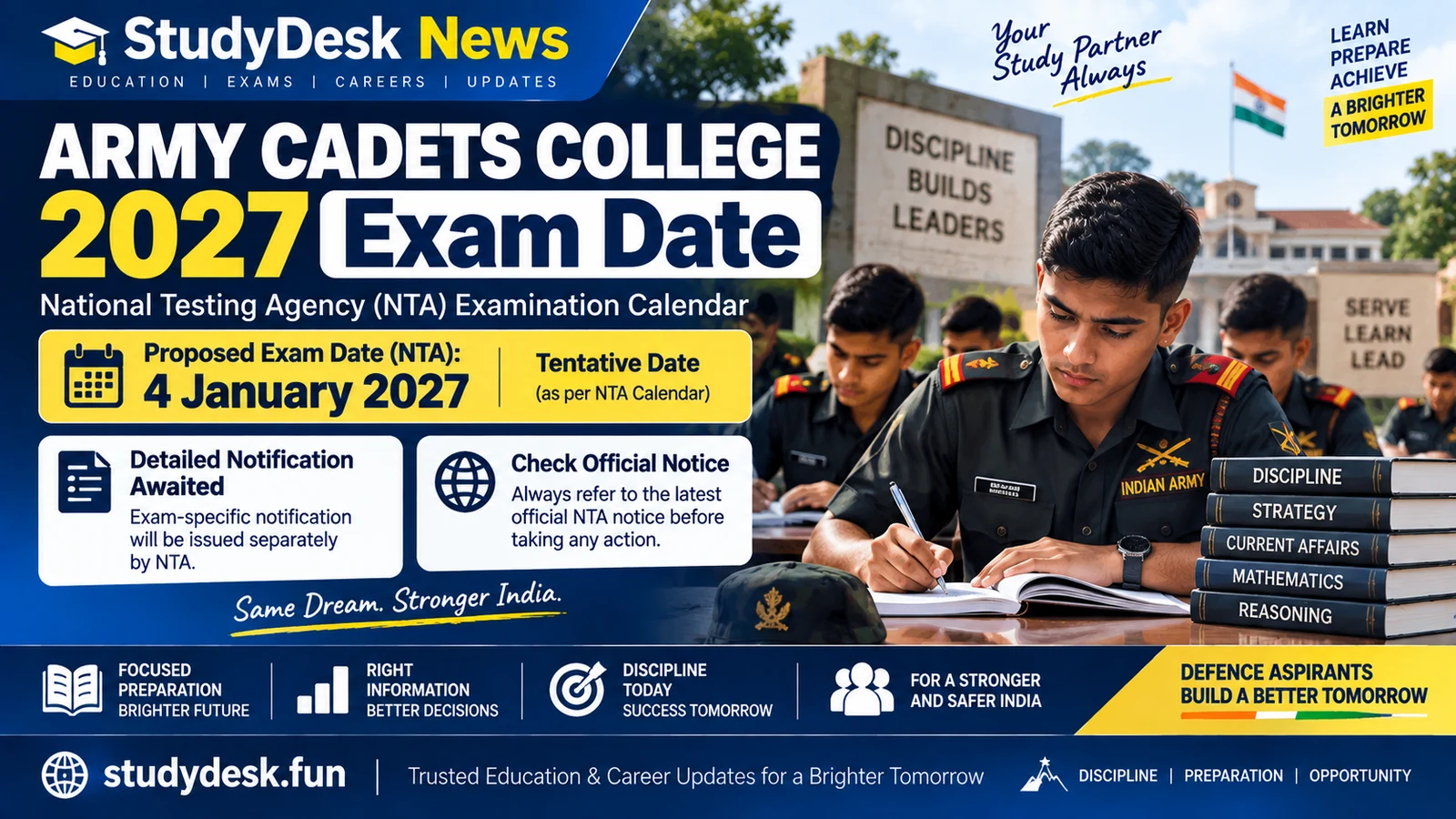
Army Cadets College 2027 date tracker based on the official NTA examination calendar.
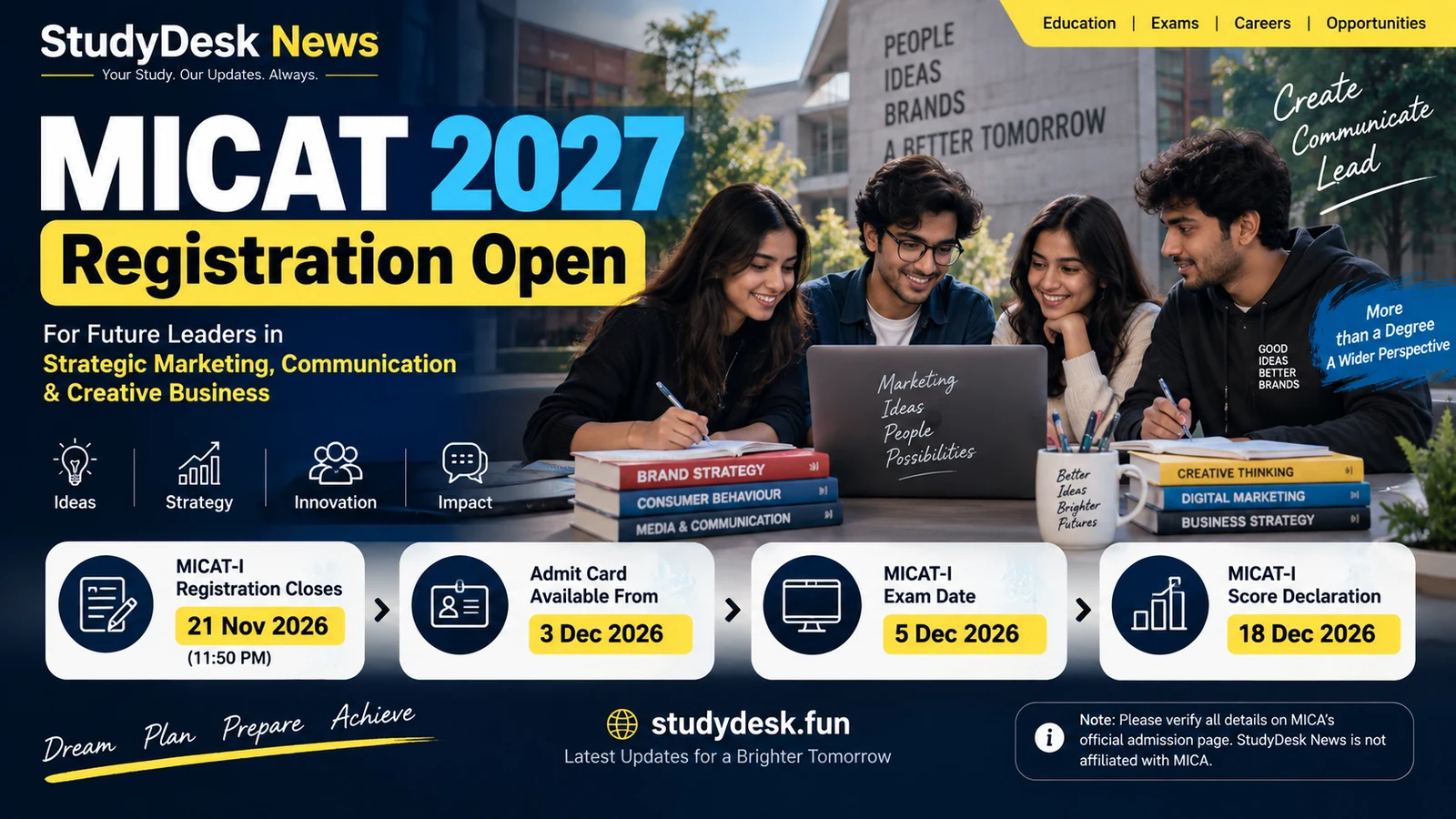
MICAT 2027 registration dates, MICAT-I exam schedule, official MICA admissions source and next steps.